



Pyrolysis with microwave technology
Why use microwave pyrolysis technology?
Microwave-assisted pyrolysis is an energy-efficient and controllable way of converting the feedstock to chemicals or fuels. Microwave heating has a number of advantages over conventional types of heating including the selective activation of various chemicals.
An example of selectivity is biomass pyrolysis. The principal components of the biomass such as hemicellulose, cellulose, and lignin are activated at different temperatures. This makes it possible to increase the selectivity of the bio-oil, collecting different fractions at different temperatures. Moreover, the thermal degradation of polysaccharides proceeds at lower temperatures compared to the conventional methods.
Key advantages of microwave synthesis and catalysis

Fast and controlled heating
Microwave energy enables rapid and volumetric heating, significantly reducing reaction time while ensuring precise control of thermal profiles.

Enhanced product selectivity
Selective activation of compounds allows better control over bio-oil composition and limits secondary reactions, improving product quality.

Energy-efficient process
Direct energy transfer into the material reduces heat losses and overall energy consumption compared to conventional pyrolysis methods.

Advanced process development
Ideal for R&D, microwave pyrolysis enables reproducible testing, rapid screening of parameters and optimization of catalysts and feedstocks under controlled conditions.
Applications of microwave pyrolysis in research
Microwave-assisted pyrolysis is a versatile technology capable of processing a wide range of feedstocks. Its unique heating mechanism enables precise control of thermochemical reactions, making it particularly relevant for research and process development.
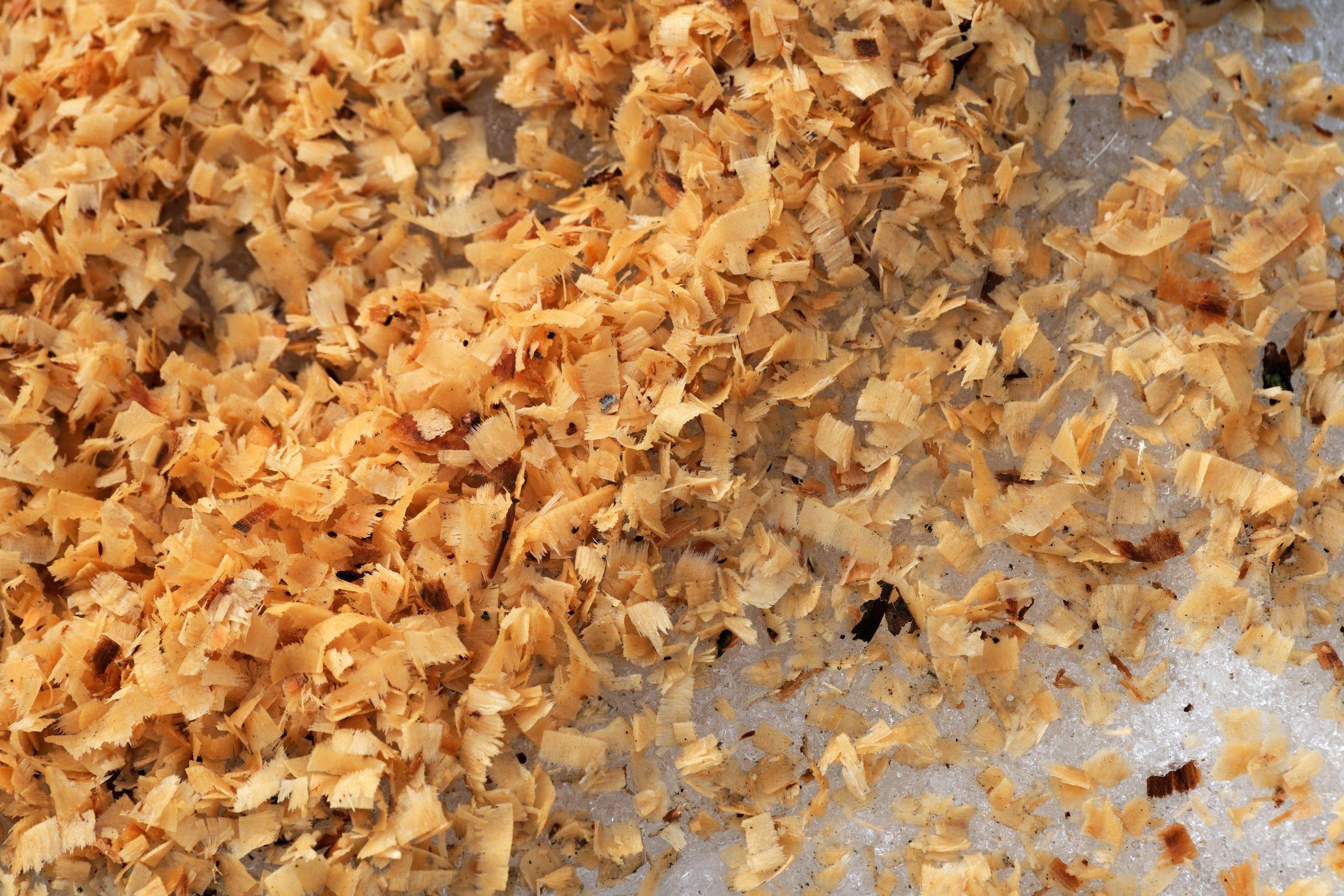
Biomass (wood, agricultural residues, lignin…)
Microwaves interact directly with polar components such as moisture and lignin.
- Rapid heating rates leading to accelerated reaction kinetics
- Improved selectivity of bio-oil with reduced secondary degradation
- Lower overall energy consumption due to direct energy transfer
- Enhanced thermal homogeneity for better reproducibility
Ideal for studying the influence of process parameters (power, catalysts, moisture content) on product distribution.
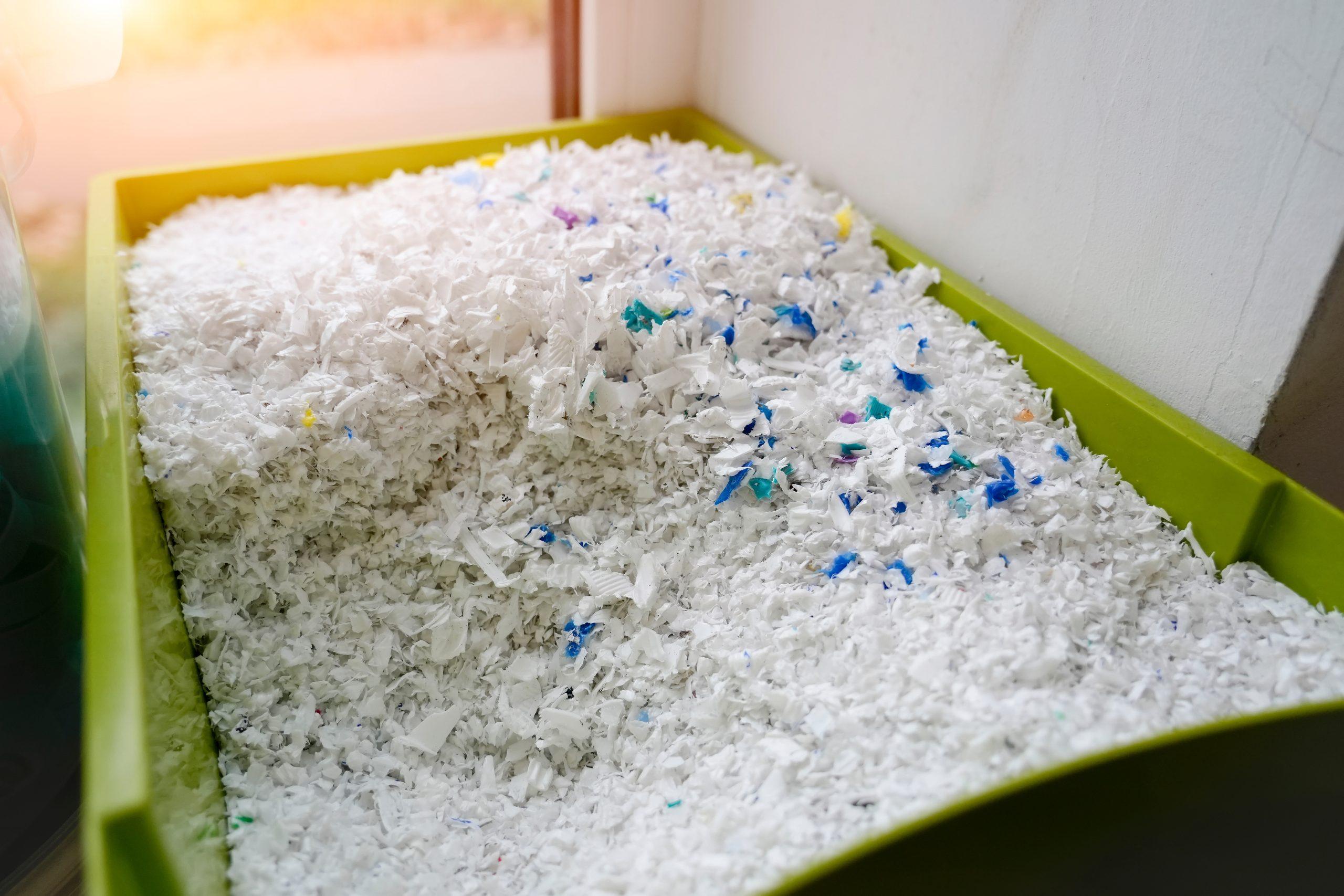
Plastic waste (PE, PP, PS, mixed plastics)
Plastics typically require microwave absorbers (e.g. carbon, SiC), which can also act as catalytic media.
- Fast and efficient heating through susceptor-assisted absorption
- Increased yields of liquid and gaseous products
- Reduced heat losses compared to conventional pyrolysis
- Tunable product distribution through catalyst integration
Well suited for catalyst screening, optimization of pyrolysis oil quality, and treatment of complex or contaminated plastic streams.
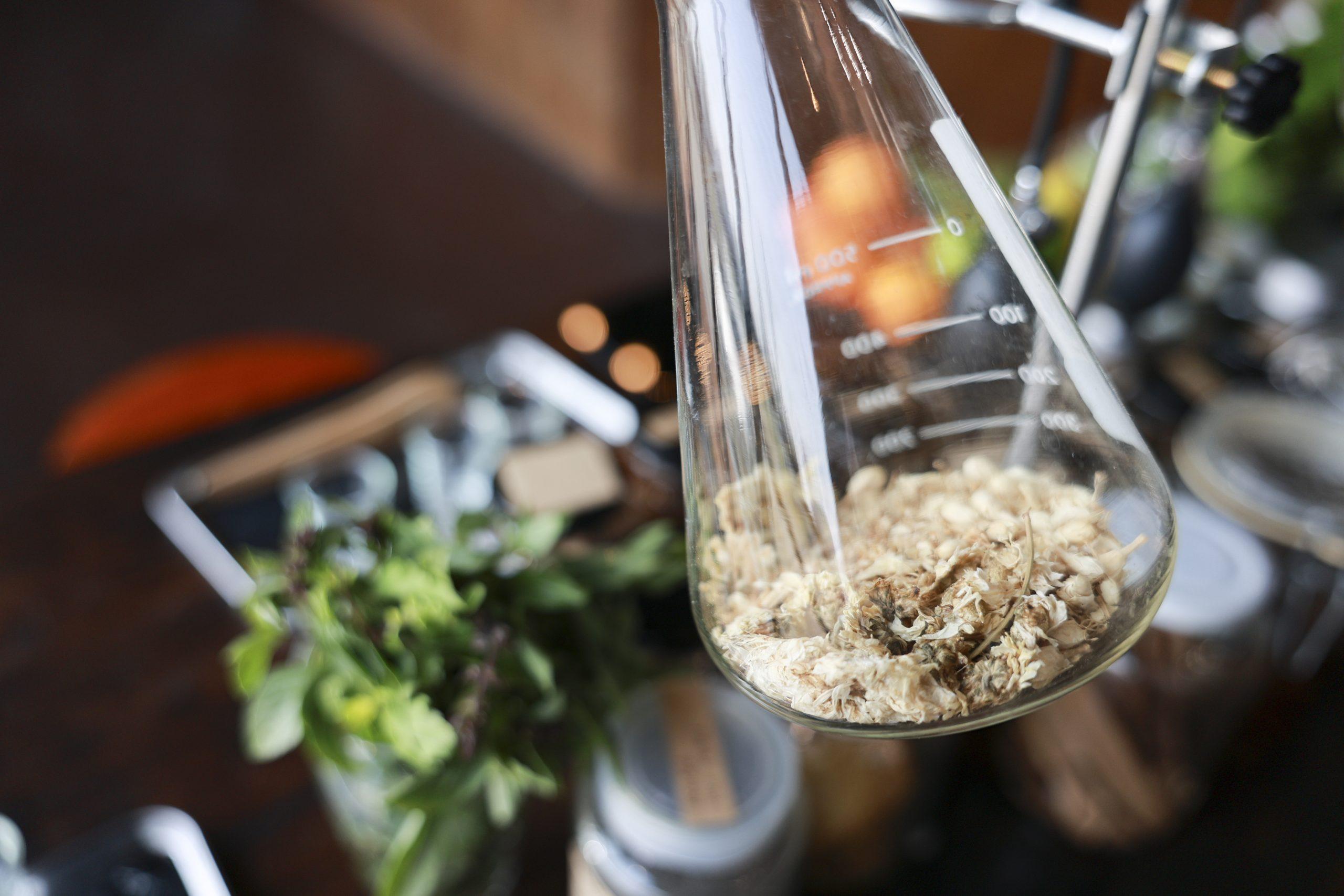
Co-pyrolysis (Biomass + Plastics)
Microwave heating promotes intimate interaction between materials, accelerating synergistic reactions.
- Improved oil quality with lower oxygen content
- Increased hydrogen production
- Enhanced overall process efficiency
- Promotion of cracking reactions through synergistic effects
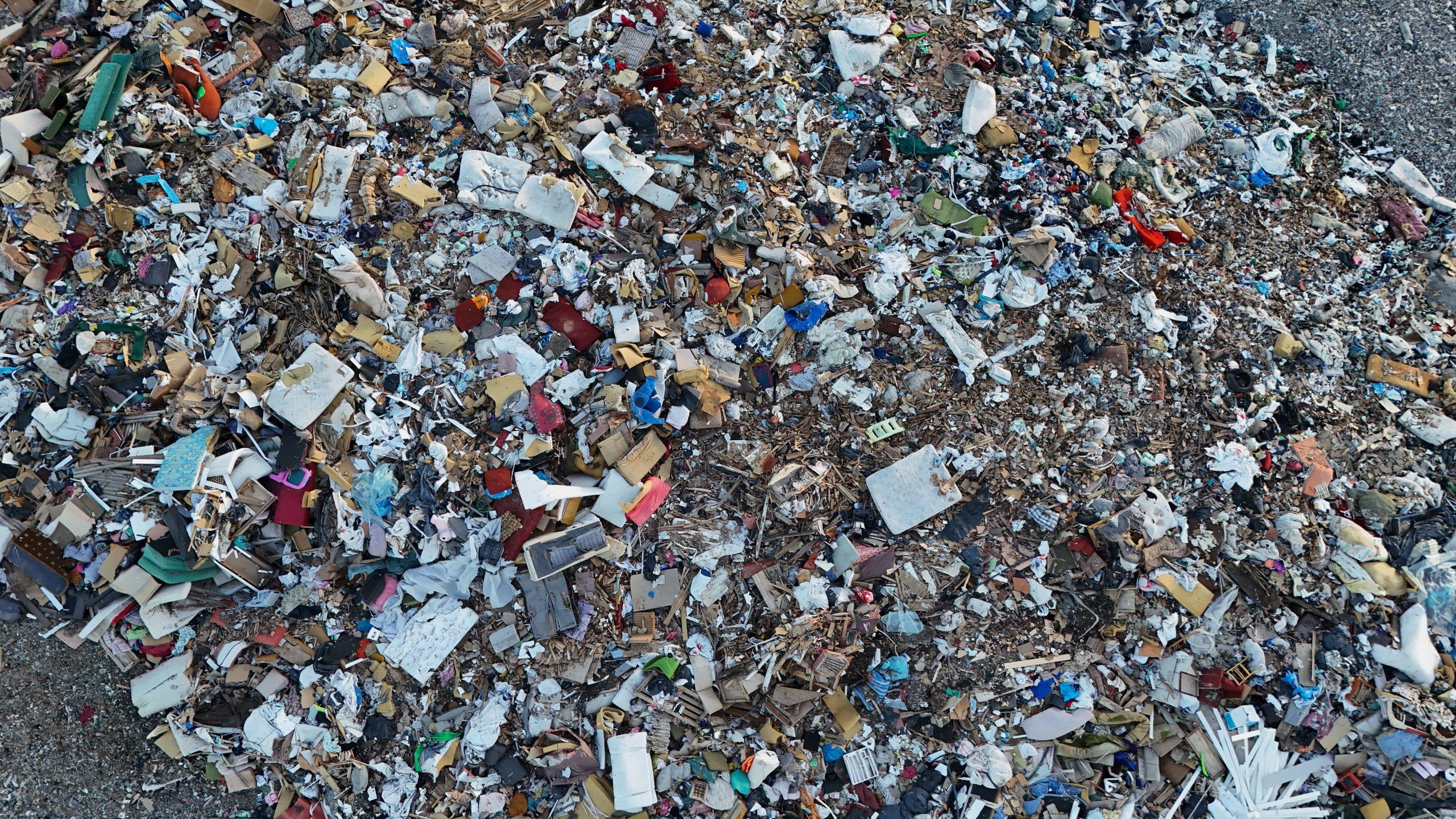
Organic and industrial waste (sludge, solid residues)
Microwave heating is particularly effective for heterogeneous and high-moisture materials.
- Efficient treatment of heterogeneous matrices
- Reduced need for pre-treatment
- Fast temperature ramp-up
- Potential for compact and flexible process design
Microwave pyrolysis equipment
Precise and homogeneous heating for research applications, from material synthesis to biomass pyrolysis
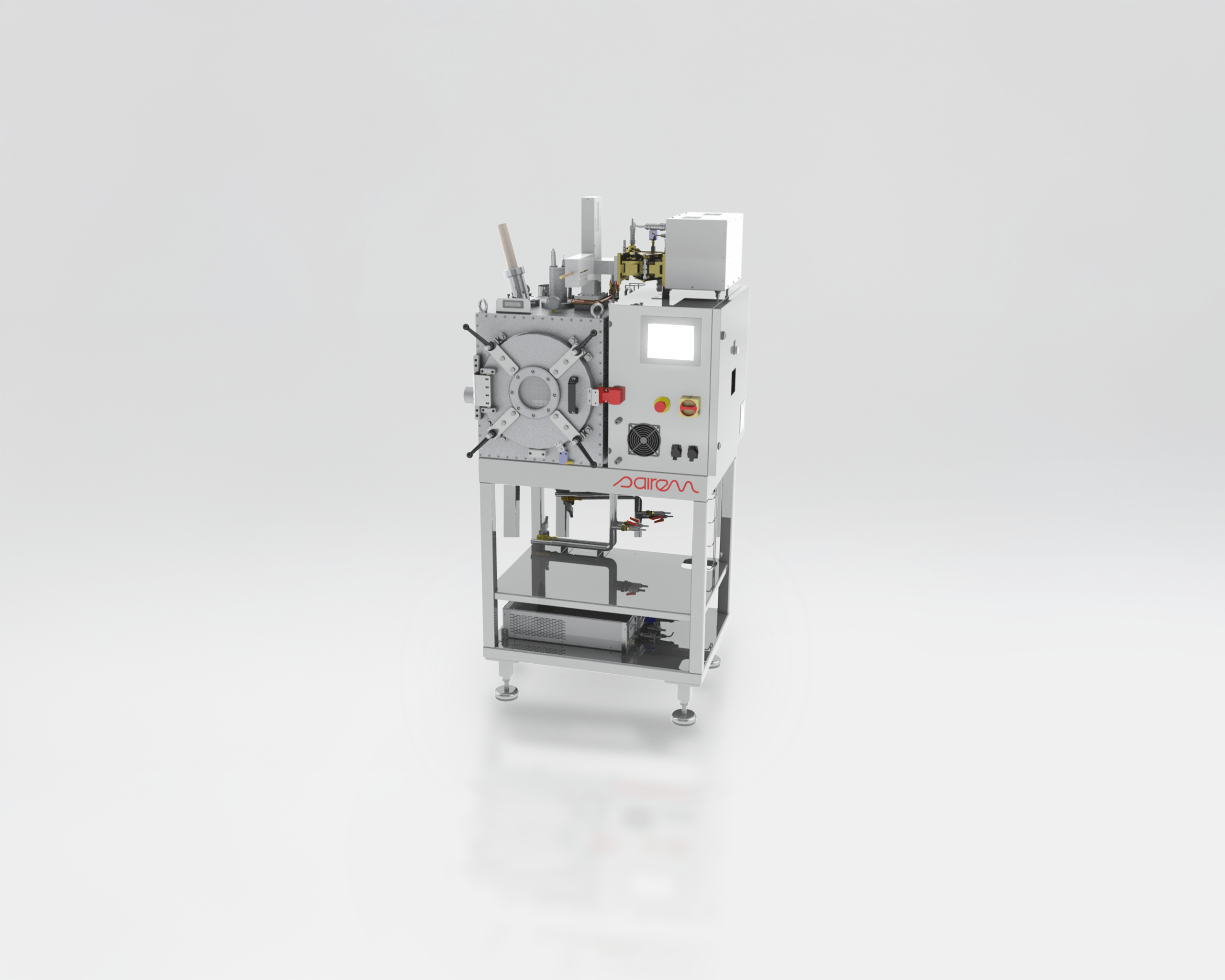
LaboPyro – Microwave laboratory furnaces for high-temperature processing
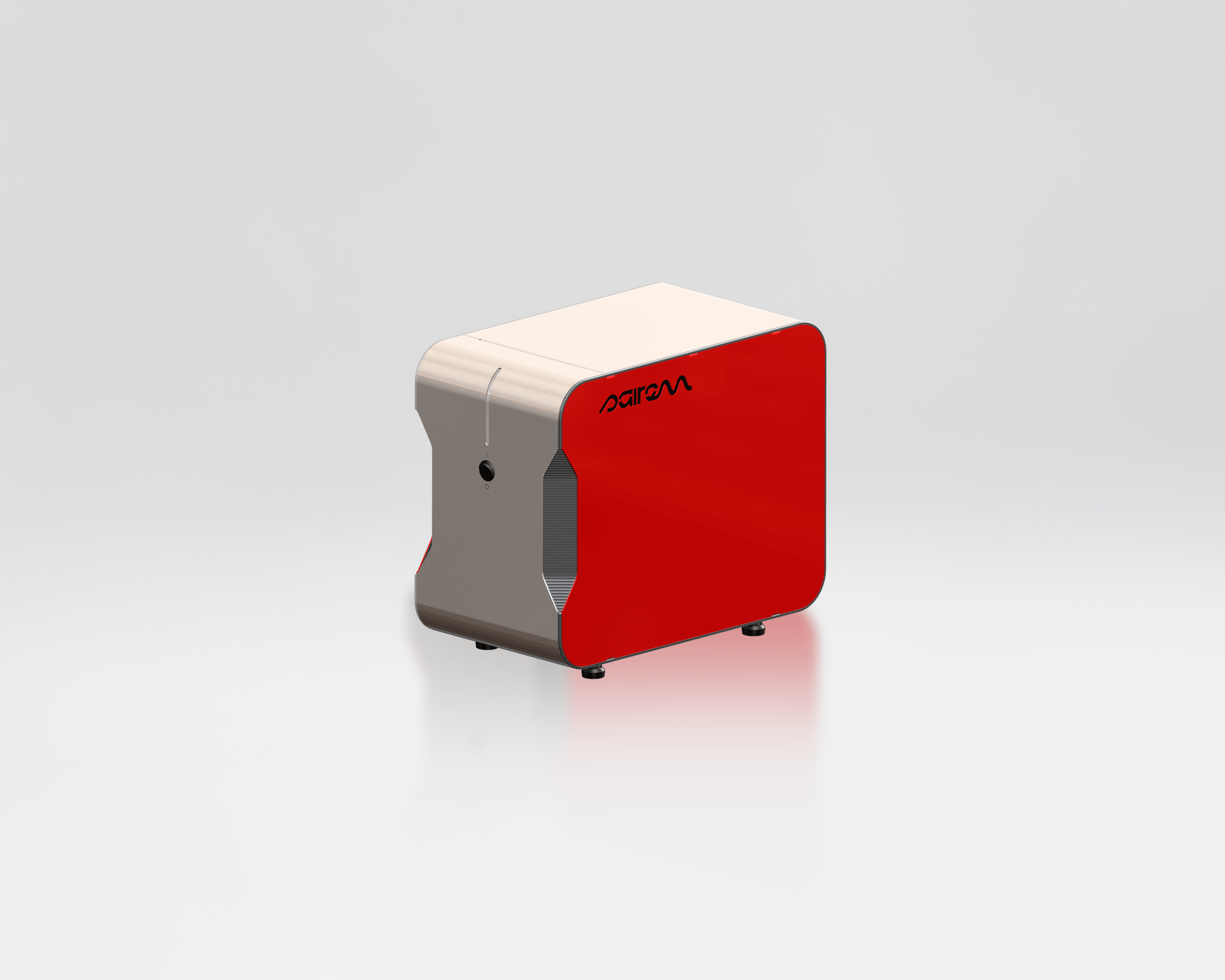
SAIREM’s LaboPyro equipment is a high-performance microwave furnace designed for advanced laboratory applications requiring high-temperature processing up to 1600 °C. Its architecture ensures efficient and controlled transfer of microwave energy to the material, resulting in excellent heating homogeneity and optimized process yields. Developed in close collaboration with research teams, the system is capable of processing materials with both high and low dielectric losses. As a result, the LaboPyro is particularly suited for a wide range of thermal treatments, including ceramics sintering, solid-state synthesis, calcination, pyrolysis and biomass processing, across a temperature range of 200 to 1600 °C.
The MicroChem is a plug-and-play microwave reactor designed for laboratory and research applications.
Built on solid-state technology, it ensures precise microwave power delivery and enables frequency tuning to adapt to different materials and reaction conditions. This level of control allows researchers to work with accuracy and repeatability across a wide range of experiments.
Combined with optimized microwave field distribution, the system provides efficient and homogeneous energy transfer within the sample, whether working with liquids, solids, or gas-solid reactions.
Here’s a questions-and-answers section about microwave pyrolysis.
In conventional pyrolysis, heat is transferred from the reactor walls to the material by conduction and convection, often resulting in thermal gradients. In contrast, microwave heating is volumetric, meaning energy is absorbed directly within the material. This leads to faster heating rates, improved temperature uniformity, and enhanced control of reaction kinetics.
Microwave pyrolysis is particularly suitable for:
- Biomass (wood, agricultural residues, lignin)
- Plastic waste (PE, PP, PS), typically with microwave absorbers
- Mixed feedstocks (co-pyrolysis of biomass and plastics)
- Certain organic or industrial residues
Materials with low dielectric losses can also be processed using susceptors such as carbon or silicon carbide to enhance microwave absorption.
Microwave systems allow precise control over key parameters such as power, temperature and heating profiles. This makes them ideal for:
- Fast screening of process conditions
- Catalyst development and testing
- Studying reaction mechanisms
- Scaling up processes from laboratory to pilot level
Yes. Materials with low dielectric properties, such as certain plastics or ceramics at low temperatures, can be processed by adding microwave absorbers (susceptors). These materials convert microwave energy into heat, enabling indirect heating of the sample.
Depending on the feedstock and operating conditions, the process typically produces:
- Solid fraction: char or biochar
- Liquid fraction: pyrolysis oil (bio-oil or synthetic fuels)
- Gaseous fraction: syngas (H₂, CO, CH₄, light hydrocarbons)
Microwave heating can influence the distribution and quality of these products.
Yes, although scale-up requires careful control of electromagnetic field distribution and energy coupling. Laboratory systems are designed to reproduce representative conditions, allowing reliable extrapolation toward pilot and industrial-scale processes.
Advantages of microwave pyrolysis
Microwave-assisted pyrolysis is an energy-efficient and controllable way of converting the feedstock to chemicals or fuels. Microwave heating has a number of advantages over conventional types of heating including the selective activation of various chemicals.
An example of selectivity is biomass pyrolysis. The principal components of the biomass such as hemicellulose, cellulose, and lignin are activated at different temperatures. This makes it possible to increase the selectivity of the bio-oil, collecting different fractions at different temperatures. Moreover, the thermal degradation of polysaccharides proceeds at lower temperatures compared to the conventional methods.
Microwave solution and mechanism
The possible solution is in-situ separation and initially selective pyrolysis towards the targeted chemicals or fraction (e.g. charcoal/biochar).
Major biomass structural components are solid oxygen-containing polymers. Microwave irradiation very efficiently interacts with these materials reducing their temperature decomposition compared with conventional pyrolysis. At the same time, most pyrolysis products (except biochar) are gas or volatiles.
Due to the low density of these products, microwave irradiation weakly interacts with them, leaving gas and volatiles compounds at a temperature lowest than during conventional heating. Furthermore, obtained biochar is non-conductive, low-polar, and does not interact with microwave irradiation.
The lowest product temperature in the case of microwave heating leads to better selectivity of this process than conventional. The declining selectivity of the main process (pyrolysis) is a result of primary product decomposition. Reducing the main process’s temperature decreases the degradation rate of primary products and therefore declines the selectivity.
Let’s estimate possible selectivity improvement in the microwave process. According to Van’t Hoff’s rule rate of an elementary reaction increases twice every 10 degrees. Literature shows that microwave pyrolysis usually occurs on 80°C lower than conventional. Therefore, the secondary reaction rate in the case of microwave pyrolysis will be 28 = 256 times less than in the conventional process. This value is correct only for the initial rate and this effect is decreasing closer to the process end. However, if the resident time of the primary product inside biomass is short, then the selectivity of the process could be improved almost 100 times.
Do you need help improving your research process?
Our experts are here to assist you in finding the best solution!