



Industrial Microwave Heating
Thermal processing
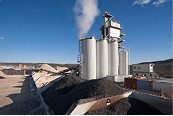
Thermal processing is widely used across industries but remains highly energy-intensive, especially with conventional furnace-based methods. As decarbonization becomes a strategic priority, manufacturers are shifting toward fully electric heating technologies — able to run on renewable energy and significantly reduce the carbon footprint of their thermal processes.
Thermal processing with microwave technology
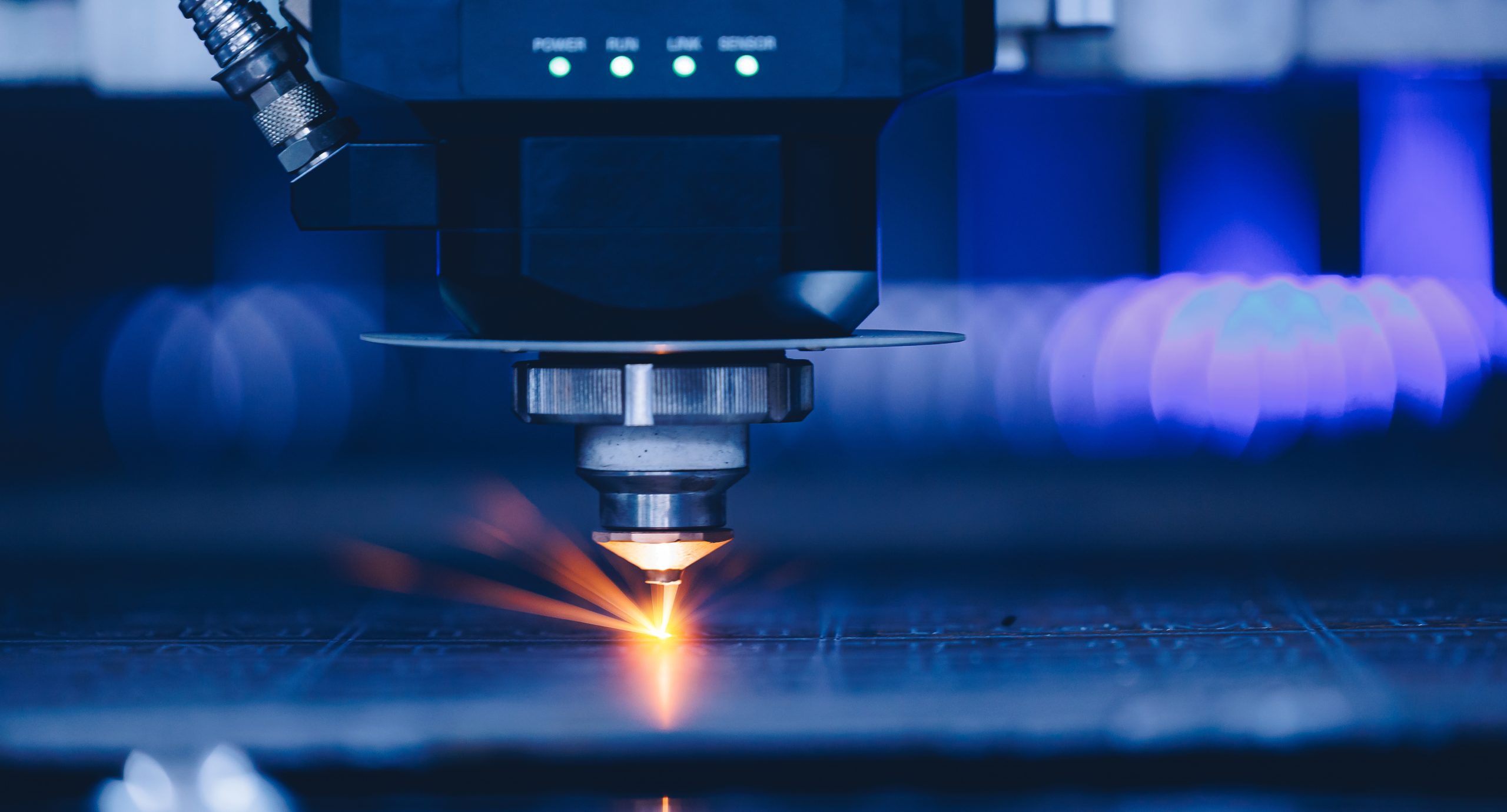
Thermal processing with microwave technology delivers faster, more uniform heating, directly within the material. This technology improves superior process efficiency and reduces cycle times.
Key advantages of microwave heating

Decarbonized solution
Microwaves are fully electric and can use green electricity.

Energy efficiency
Microwave heating reaches up to 80% energy efficiency, far above conventional thermal methods.

Fast process
Energy penetrates directly into the product, power is absorbed by the material itself, ensuring fast process.

Instant start
No warm-up needed. Flexible production with instant start capability.

Selective heating
Microwaves allow the heating of the chosen material, depending on the dielectric properties of the product.
Controlled heating
No risk of overheating, ensuring homogeneous and consistent heating throughout the material.

Reliability
Accurate process control and repeatable heating ensure reliable production and consistent quality.

Pre-heating & heating
Use microwave as a boost stage – before or after conventional heating – to significantly reduce processing time.
Different materials can be processed
Materials heating with microwave
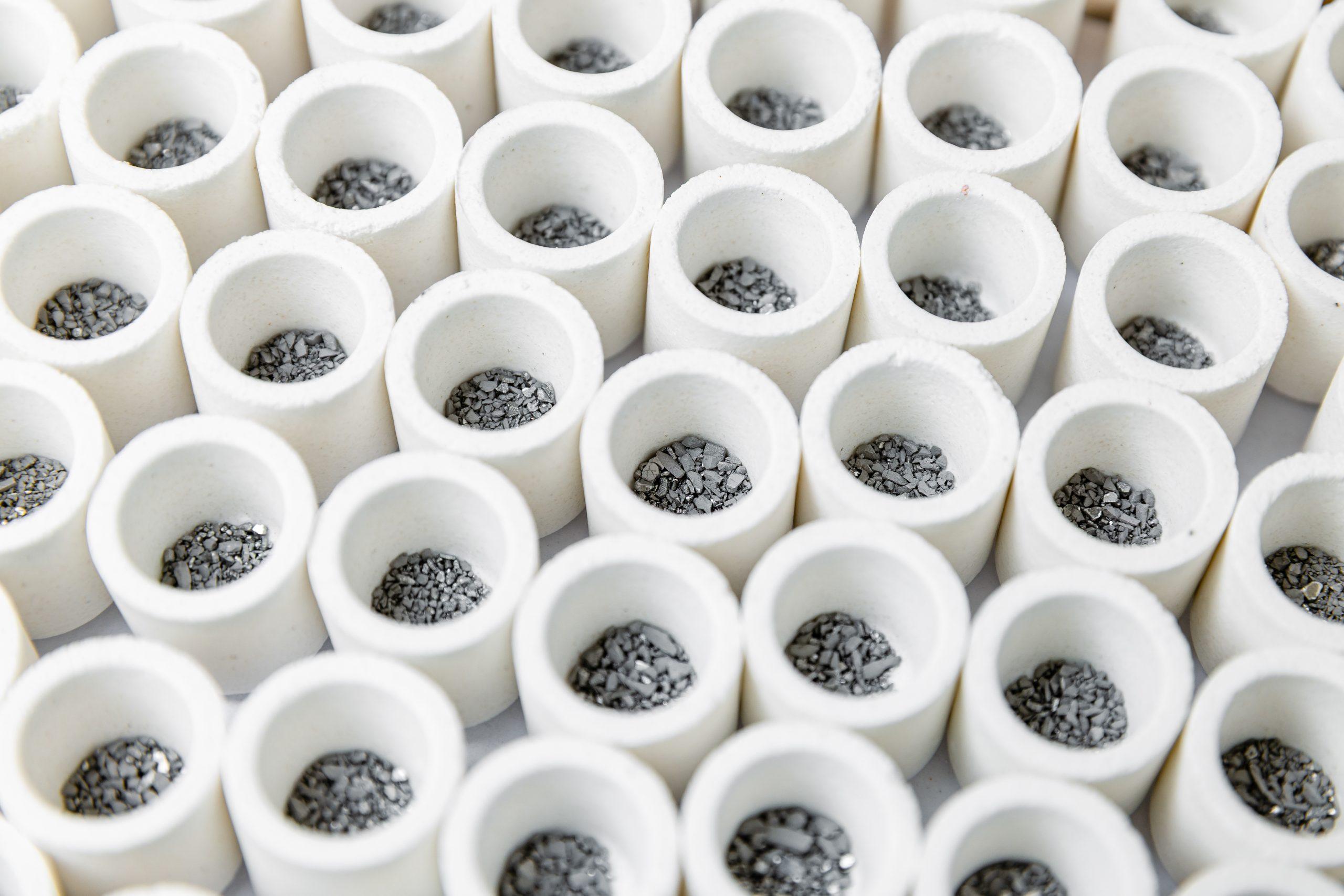
Heating materials volumetrically, ensuring uniform temperature distribution while reducing processing time and minimizing thermal stress. Microwave technology can heat any high-value product — provided its dielectric properties allow it.
Sairem supports you in implementing a tailored microwave solution, offering tests and simulations alongside our equipment to validate the relevance of microwave technology in your industrial process.
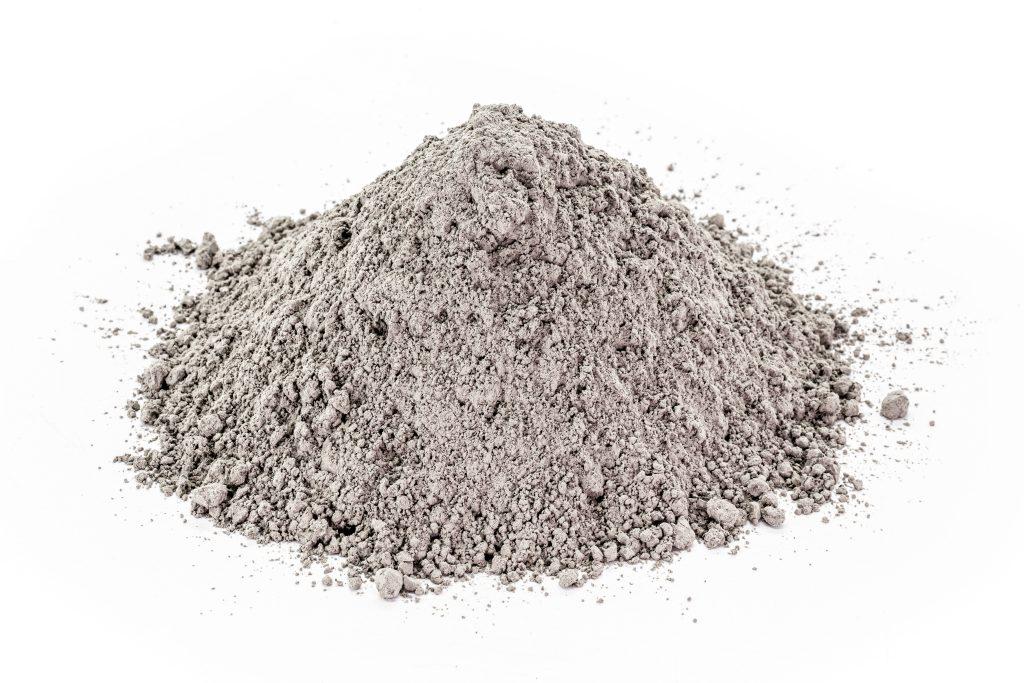
Case studies about materials treatment
Volumetric heating: fast and uniform energy transfer
Volumetric heating uses microwave energy to generate heat directly inside the product, enabling faster, more uniform and energy-efficient industrial processing.
Drying of honeycomb ceramic
Radio frequency drying enables fast and uniform moisture removal of honeycomb ceramics, reducing drying time to minutes while eliminating internal stresses and scrap.
Drying of polyamide powder
Radio frequency drying of polyamide powder ensures fast and controlled moisture reduction from 20% to 0.5%, enabling safe processing of thermosensitive and explosive materials.
Drying of pure silica powder
Microwave drying of ultra-pure silica powder operates in a closed system without air, preventing contamination while achieving controlled moisture reduction from 24% to below 1%.
Fast coating of pharmaceutical tablets
Microwave-assisted tablet coating reduces drying time from days to hours while ensuring precise temperature control and reproducible pharmaceutical processing.
INNOTHERMO RANGE
Discover Sairem’s microwave heating systems
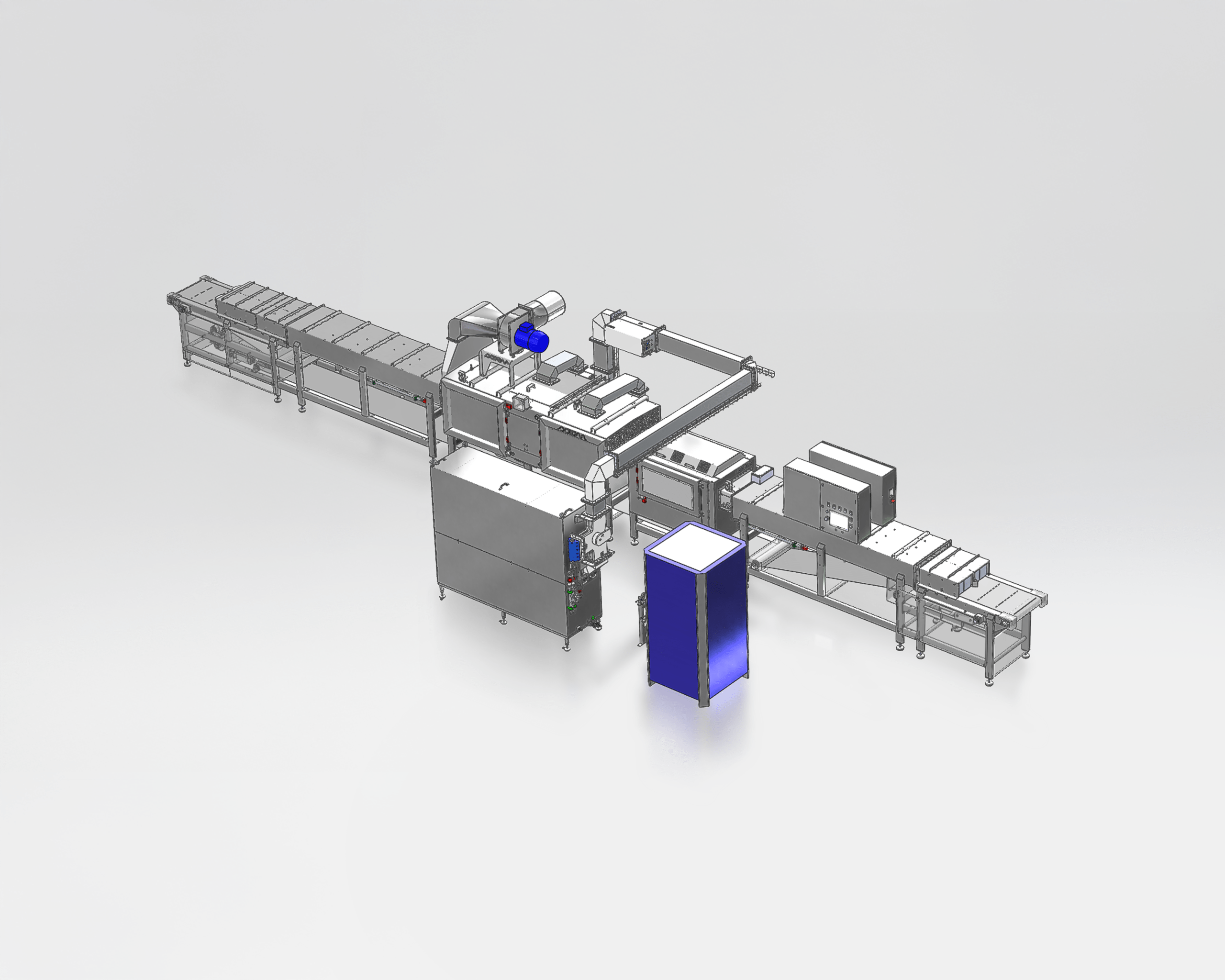
Sairem’s microwave ovens, InnoThermo, are industrial ovens that use volumetric heating to process your high-value products.
With instant start-up and no warm-up time, our microwave systems maximize throughput and energy efficiency.
Due to the variety of products, SAIREM provides a custom-made solution dedicated to your products and the requested capacity.
Everything You Need to Know: How Microwave Can Be Used in an Industrial Thermal Process.
Yes. An industrial microwave system can be used as a standalone process or as a final heating step, seamlessly integrating into existing lines to reduce overall processing time and energy consumption.
Thanks to volumetric heating, energy is absorbed directly by the product — ensuring homogeneous heating without surface overheating.
Do you need help improving your thermal process?
Our experts are here to assist you in finding the best solution!