



 Home > Plasma process >
Microwave Plasma Deposition and Etching
The growing demands of plasma processing
First introduced in the 1970s, plasma etching has facilitated processes such as reactive ion etching (RIE), deep etching, and the removal of photoresist. Today, process control at the atomic scale has led to the emergence of PE-ALD (plasma-enhanced atomic layer deposition) and PE-ALE (plasma-enhanced atomic layer etching), imposing ever-stricter requirements regarding plasma uniformity, reactive species density, and process repeatability over large areas.
Microwave plasma as a new industrial alternative
RF plasma has long been the dominant technology, but its complex matching networks and uniformity limitations become critical bottlenecks as device geometries shrink. Microwave plasma, operating at 2.45 GHz, is now emerging as a powerful alternative: its electrodeless design eliminates electrode-related contamination, while its high radical density enables faster process rates at lower temperatures. Recent advances in solid-state generators are finally unlocking its industrial potential.
Key advantages of microwave plasma

Homogeneous and stable plasma
Our technologies generate highly uniform plasma, ensuring consistent treatment conditions and improved process repeatability.

High ionization efficiency
High ionization density enables enhanced reaction kinetics, optimized yields, and improved process performance.

Scalable multi-source architecture
Multi-source integration enables wide and uniform plasma distribution, supporting large-area processing and seamless industrial scale-up.

Efficient power transfer
Direct energy coupling minimizes power losses, ensuring high energy efficiency and stable plasma generation
Discover the microwave plasma deposition and etching!
PLASMAVAC RANGE
Discover Sairem’s PlasmaVac sources
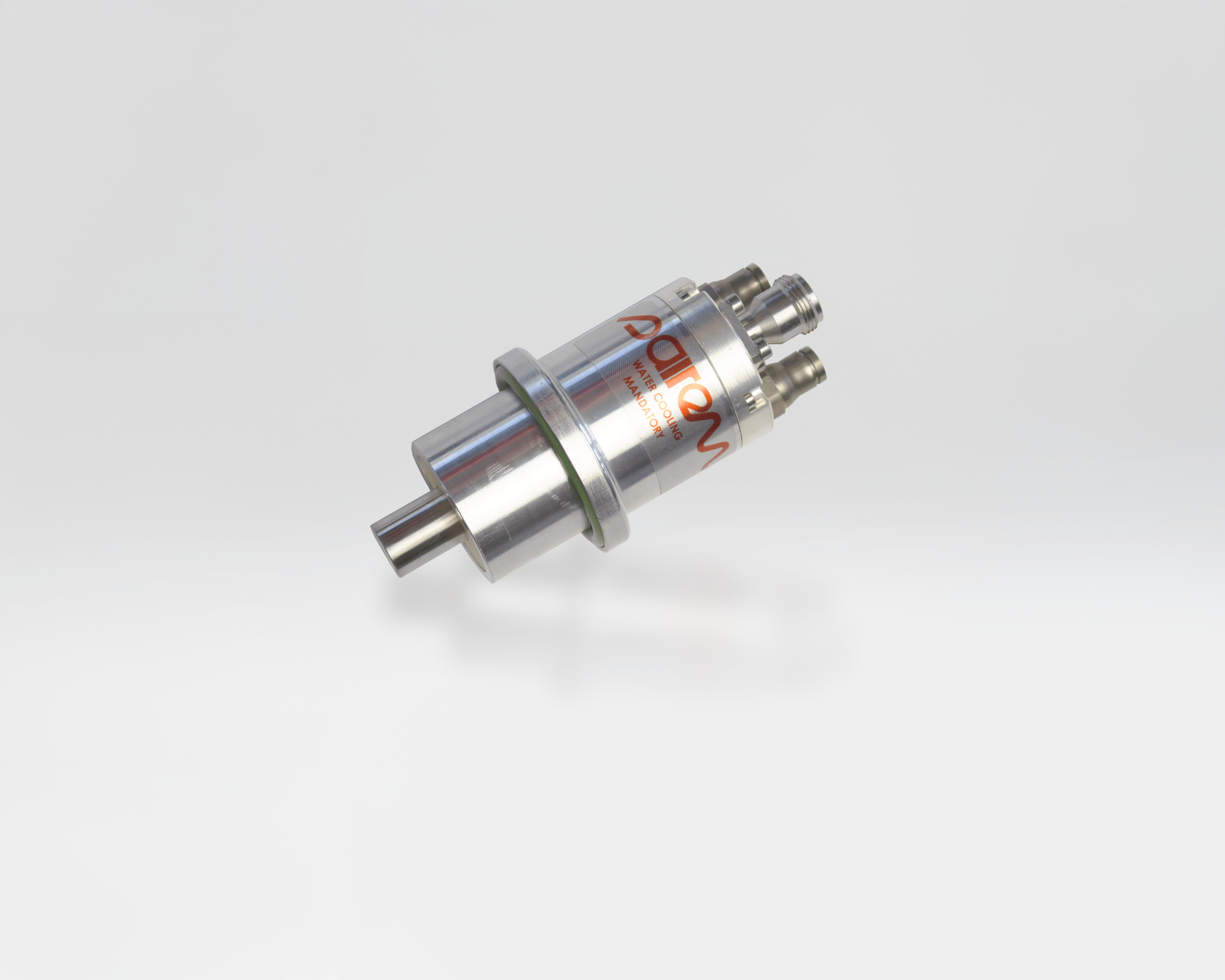
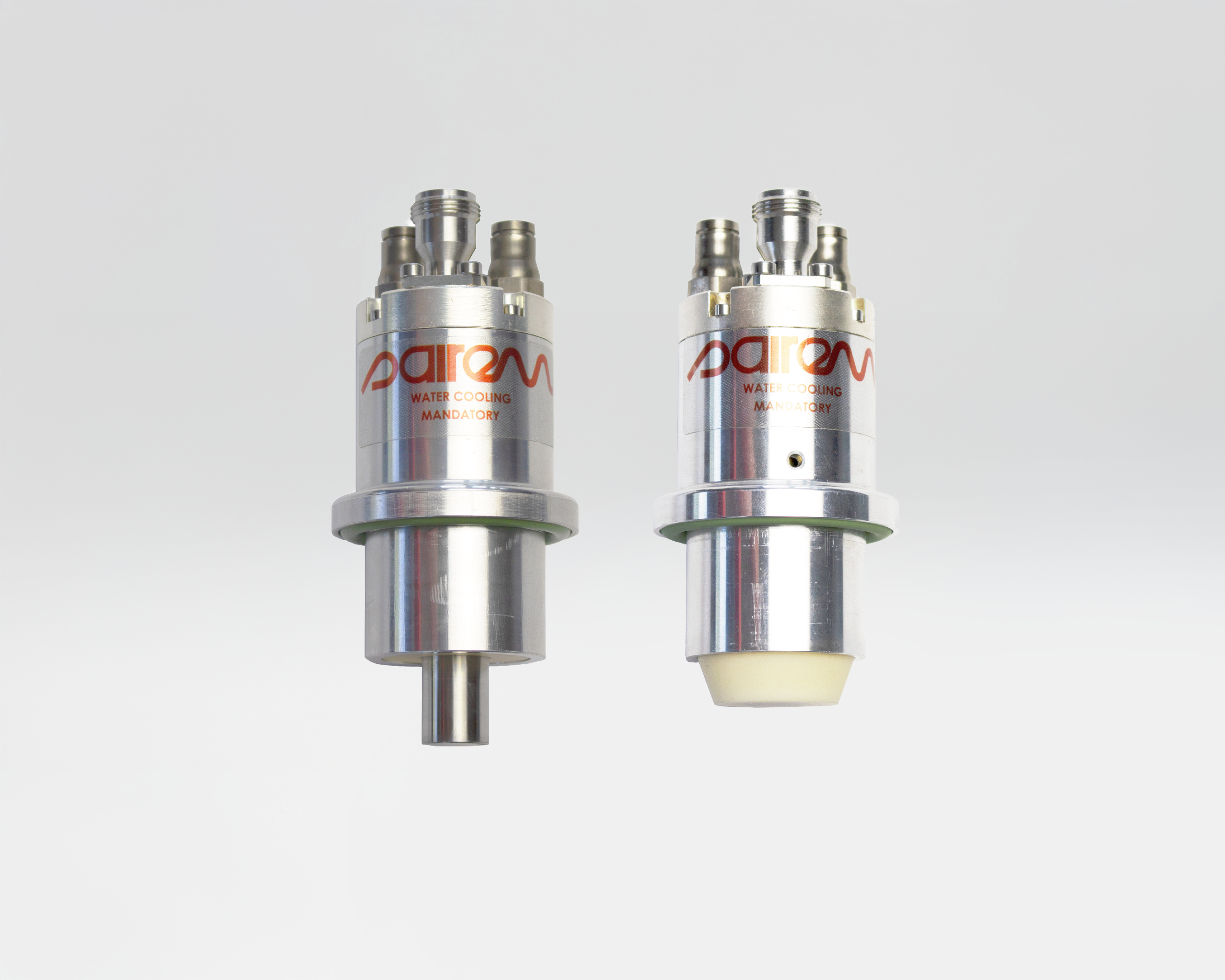
PlasmaVac, low pressure microwave plasma sources
PlasmaVac offers two microwave plasma sources to address your deposition and etching requirements:
- one designed for low-pressure, high-density plasma generation,
- the other one is optimized for higher pressure operation.
Both sources are engineered for industrial reliability and process scalability.
Everything You Need to Know: How Microwave Plasma Improves Deposition and Etching Processes?
Microwave plasma operates at 2.45 GHz, generating higher electron densities and more reactive species than conventional RF plasma (13.56 MHz). Its electrodeless design also eliminates metallic contamination from electrode sputtering, a common issue in RF systems.
Microwave plasma delivers higher concentrations of reactive species at lower ion energies, enabling faster etch rates with reduced substrate damage — a key advantage for sensitive materials and advanced nodes.
Want to optimize your plasma deposition and etching processes?
Our experts are here to assist you in finding the best solution!