

 > Case studies >
Case studies
Microwave and Radio Frequency (RF) equipment offer efficient, volumetric heating for various industrial applications. RF (1–300 MHz) penetrates deeply, ideal for thick materials, while microwaves (2.45 GHz) provide rapid heating, perfect for cooking, pasteurization, tempering, and drying. Compared to conventional heating, both technologies ensure faster processing, energy efficiency, precise temperature control, and superior product quality.
To learn more about this technology, some cases studies are shared and published each year.
Are microwave and radio frequency safe?
Are microwave and radio frequency technologies safe? Learn how non-ionizing electromagnetic waves work, their thermal effects, and the regulations ensuring safe industrial use.
Volumetric heating: fast and uniform energy transfer
Volumetric heating uses microwave energy to generate heat directly inside the product, enabling faster, more uniform and energy-efficient industrial processing.
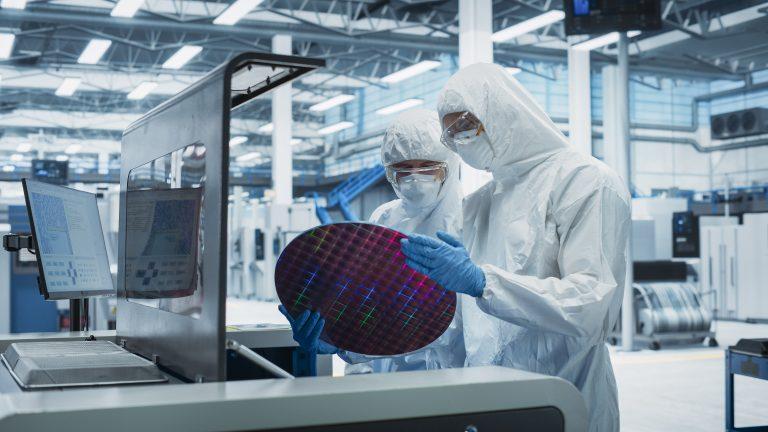
Microwave Plasma-Assisted Atomic Layer Deposition (PE-ALD)
Understand why microwave Plasma-Assisted Atomic Layer Deposition (ALD) is an alternative to RF-plasma-assisted ALD
Learn more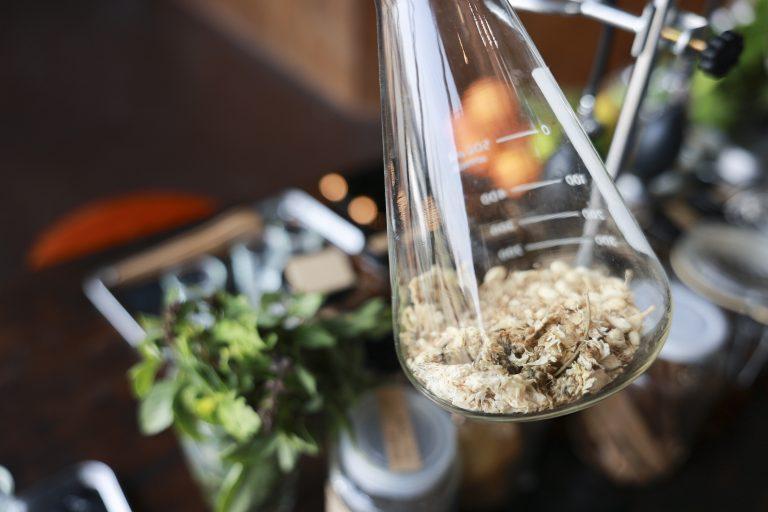
Microwave pre-treatment of organic waste
Microwave pre-treatment of organic waste enhances anaerobic digestion, through rapid and homogeneous heating.
Learn more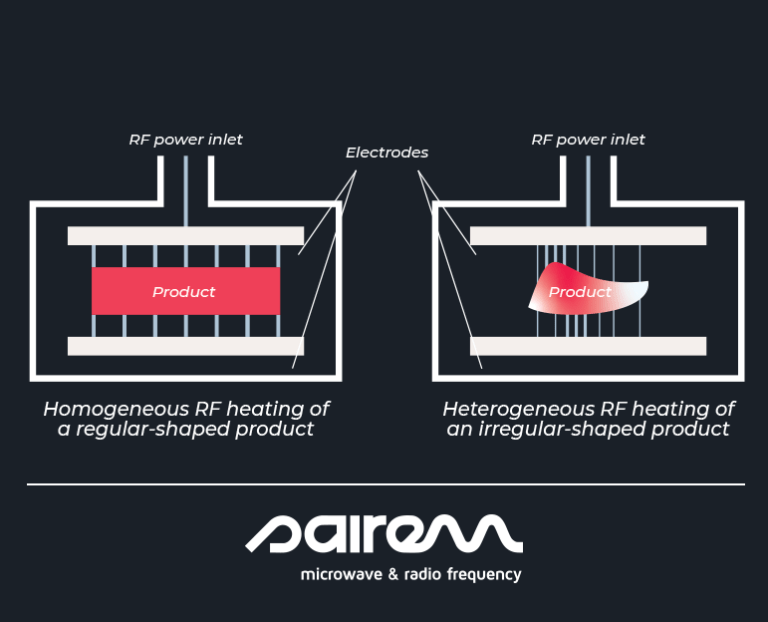
Microwave vs radio frequency: differences & advantages
Understand the differences between microwave and radio frequency heating, to select the most suitable technology for your process.
Learn more
How to pasteurize liquids in-line?
Learn how to pasteurize liquids using continuous heating processes, from heat exchangers to microwave systems, and understand each step of in-line pasteurization.
Learn more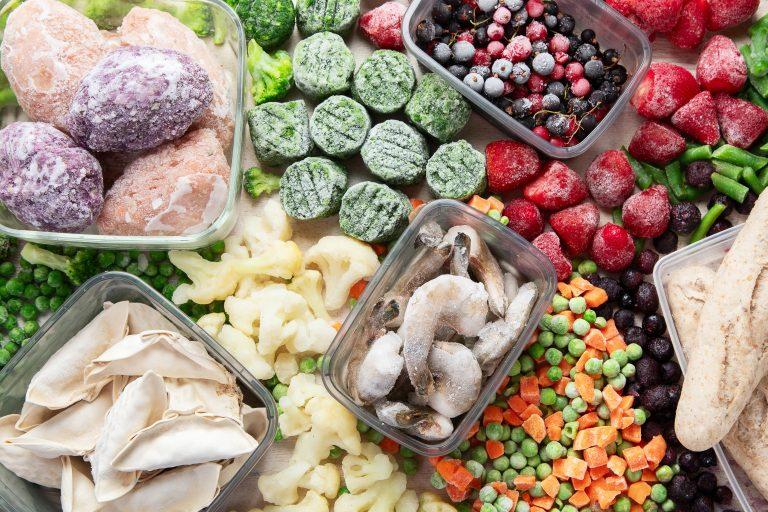
What are the different food defrosting, tempering or thawing technologies and processes?
Compare industrial food thawing technologies, from cold room and water thawing to microwave solutions, and understand their limitations in processing time, uniformity, and food safety.
Learn more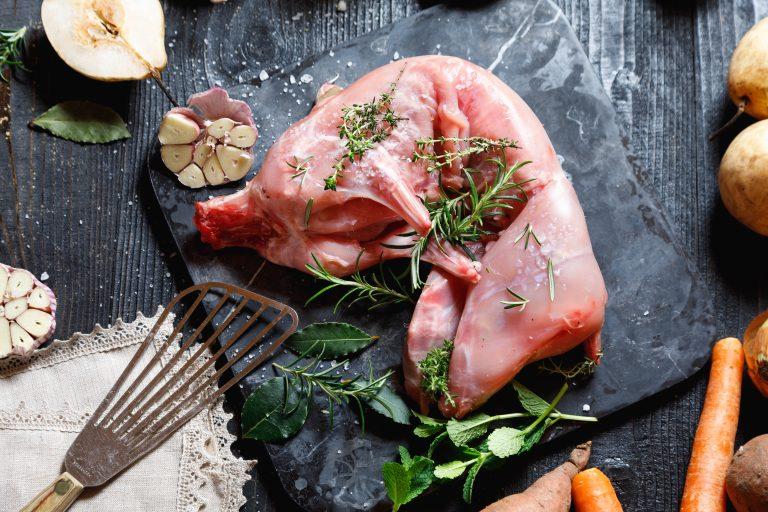
Defrosting of chicken, turkey and rabbit
Microwave defrosting of poultry reduces thawing time from 48 hours to minutes, enabling continuous processing, homogeneous temperature control, and reduced drip loss.
Learn more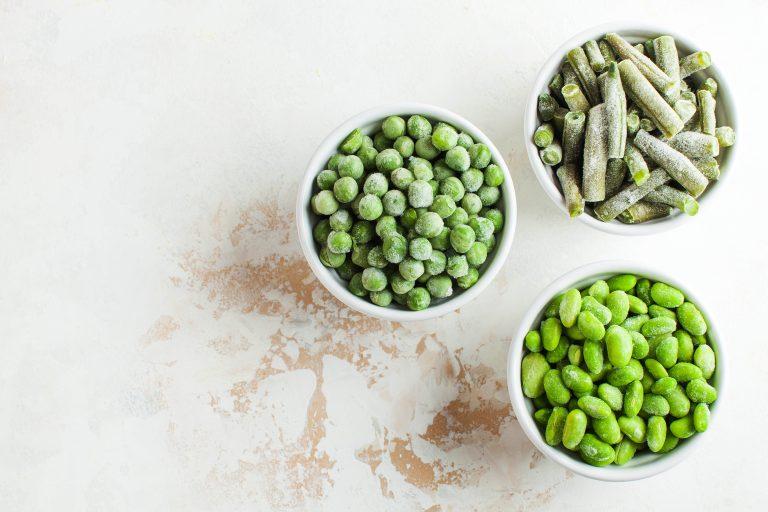
Fast defrosting and tempering of vegetables
Microwave tempering of vegetables reduces defrosting time from hours to minutes, improving process efficiency and limiting drip loss and oxidation in IQF products.
Learn more
What are the different liquid heating processes ?
Explore the main liquid heating processes, from conventional heat exchangers to microwave heating, and understand their principles, limitations, and industrial applications.
Learn more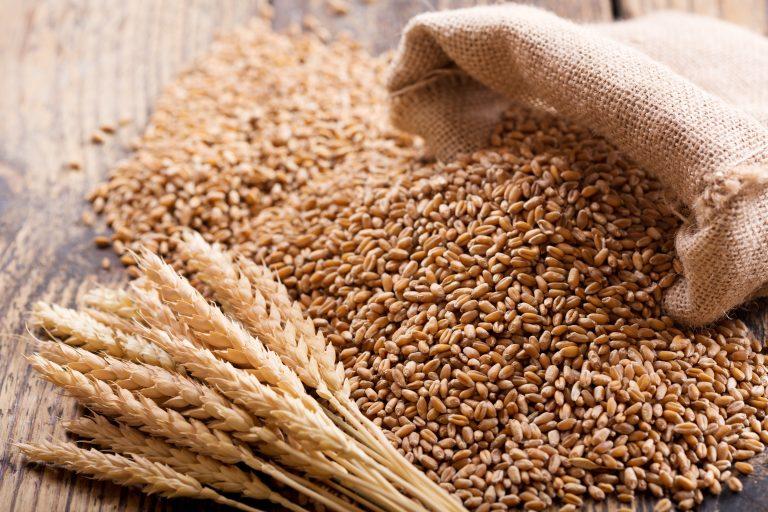
Disinfestation of soft wheat by microwave
Microwave and radio frequency processing offers safe thermal treatment for organic food and cosmetic ingredients, meeting organic certification requirements and reducing processing time.
Learn more