


 Home > Case studies >
Case studies
Microwave and Radio Frequency (RF) equipment offer efficient, volumetric heating for various industrial applications. RF (1–300 MHz) penetrates deeply, ideal for thick materials, while microwaves (2.45 GHz) provide rapid heating, perfect for cooking, pasteurization, tempering, and drying. Compared to conventional heating, both technologies ensure faster processing, energy efficiency, precise temperature control, and superior product quality.
To learn more about this technology, some cases studies are shared and published each year.
Volumetric heating: fast and uniform energy transfer
Volumetric heating uses microwave energy to generate heat directly inside the product, enabling faster, more uniform and energy-efficient industrial processing.
Microwave vs radio frequency: differences & advantages
Understand the differences between microwave and radio frequency heating, to select the most suitable technology for your process.
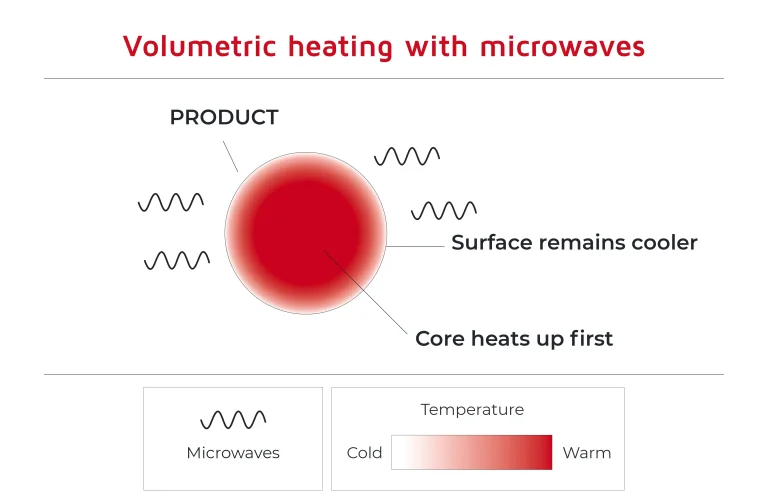
Volumetric heating: fast and uniform energy transfer
Volumetric heating uses microwave energy to generate heat directly inside the product, enabling faster, more uniform and energy-efficient industrial processing.
Learn more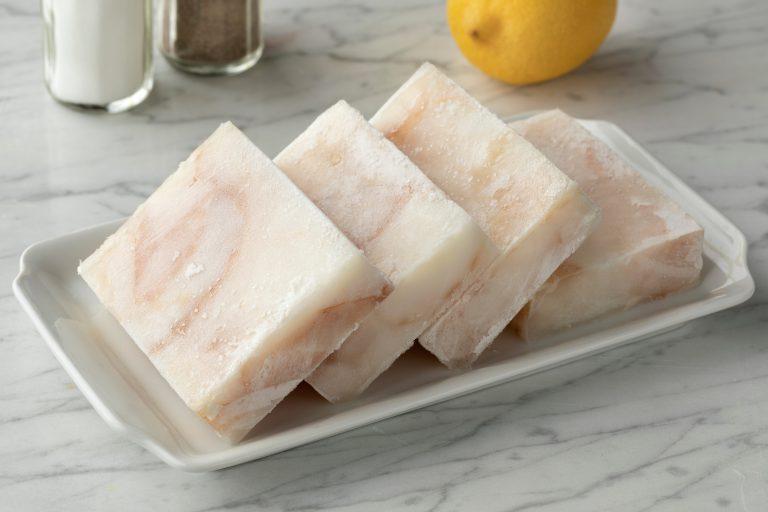
Fast tempering of fish blocks
To meet the high production demand, the company asked for a thawing capacity of 1 ton of standard fish blocks per hour, from -20° to -2°.
Learn more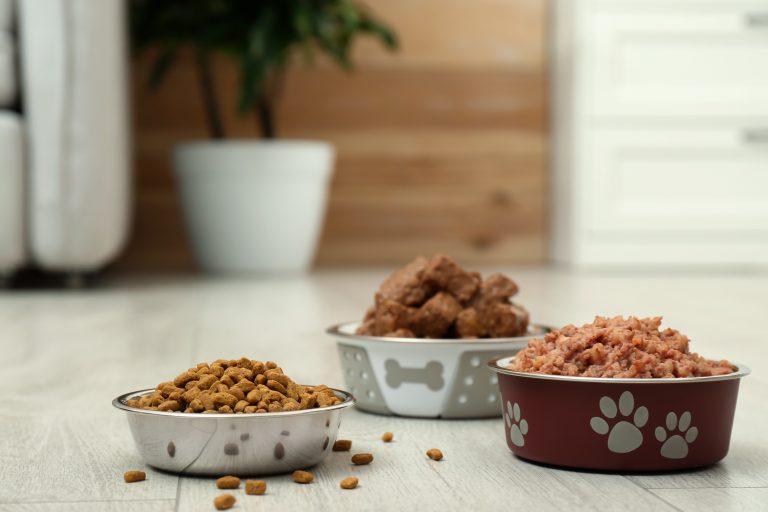
Petfood processing
Discover how microwave and radiofrequency technologies improve petfood processing.
Learn more
Fast microwave defrosting and tempering of frozen fruits
Our customer, located in the Czech Republic, manufactures different kinds of products, including fruit ice-cream.
Learn more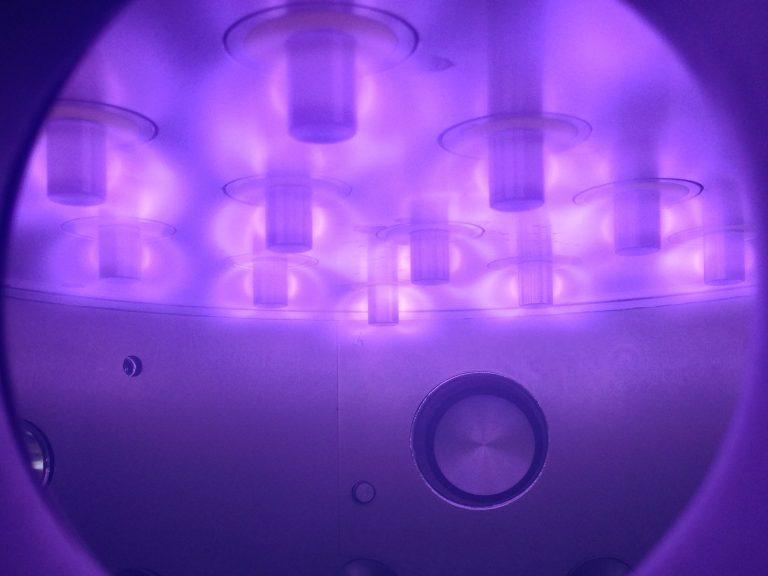
Multi-source configurations for unlimited plasma surfaces
Multi-source microwave plasma systems enable large-area, high-density plasma with excellent uniformity through flexible configurations and independent power control of each source.
Learn more
Fast coating of pharmaceutical tablets
Microwave-assisted tablet coating reduces drying time from days to hours while ensuring precise temperature control and reproducible pharmaceutical processing.
Learn more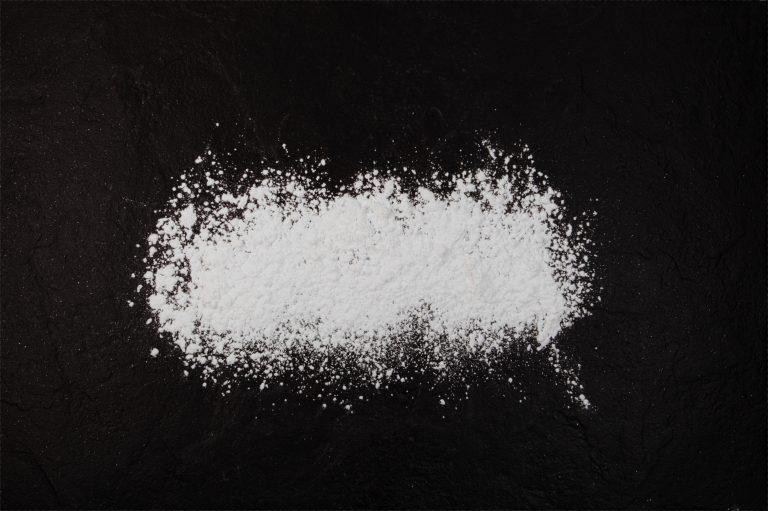
Drying of pure silica powder
Microwave drying of ultra-pure silica powder operates in a closed system without air, preventing contamination while achieving controlled moisture reduction from 24% to below 1%.
Learn more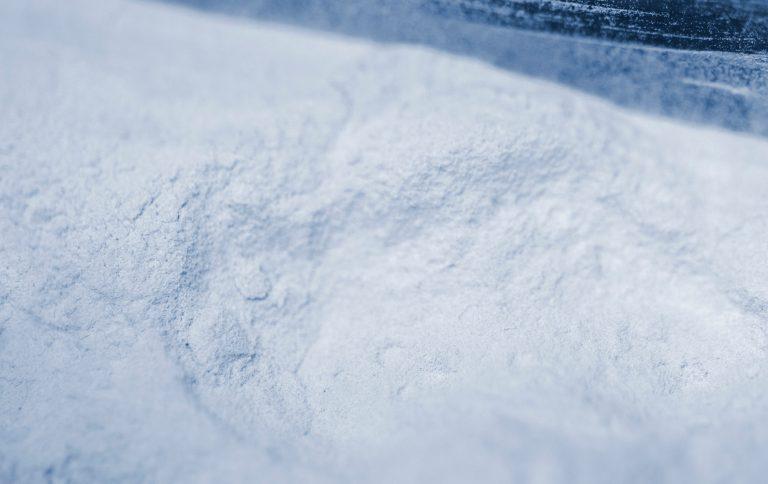
Drying of polyamide powder
Radio frequency drying of polyamide powder ensures fast and controlled moisture reduction from 20% to 0.5%, enabling safe processing of thermosensitive and explosive materials.
Learn more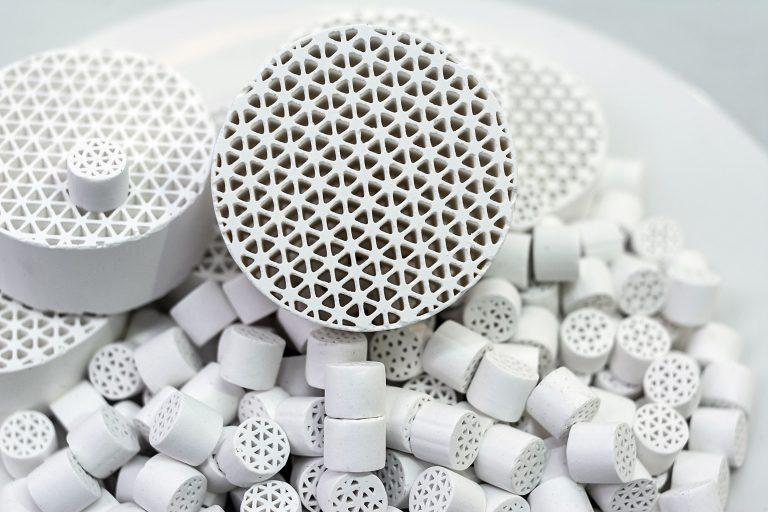
Drying of honeycomb ceramic
Radio frequency drying enables fast and uniform moisture removal of honeycomb ceramics, reducing drying time to minutes while eliminating internal stresses and scrap.
Learn more